Flip Flop Graphic: Graphics and Crafts in One
As a designer working on a seasonal campaign for a handmade beachwear brand, I was drawn to the Flip Flop Graphic for its playful yet polished aesthetic. The design feels like a perfect fit for a small business looking to add a fun, recognizable element to their branding or product line. With its US flag motif and tropical flair, this graphic has a clear visual identity that can be adapted across multiple mediums.
The First Impression
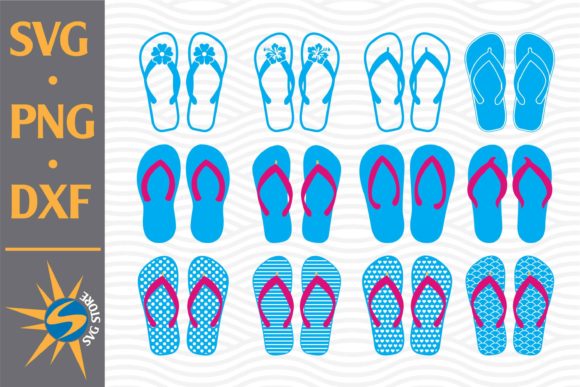
The Flip Flop Graphic immediately evokes a sense of summer, relaxation, and casual style. Its bold lines and vibrant color palette make it stand out as a strong visual element. The design balances simplicity with character, making it versatile enough for both digital and physical applications. For a client aiming to create a warm, inviting brand presence, this asset could serve as a central motif.
As a creative design, the Flip Flop Graphic offers a unique blend of whimsy and professionalism. It’s not overly complex, but it carries enough detail to feel engaging without overwhelming the viewer. This makes it ideal for projects that require a friendly, approachable tone while still maintaining a level of sophistication.
Real-World Design Applications
When considering how the Flip Flop Graphic performs in real design situations, its potential is broad. In logo design, it could act as a secondary icon or symbol that reinforces the brand’s theme. For brand identity, it might appear on packaging, social media graphics, or marketing visuals, adding a cohesive touch that aligns with the overall message.
In product labels, t-shirt design, or sticker design, the Flip Flop Graphic can serve as a decorative accent that enhances the visual appeal. It also works well in Canva templates, where users can easily integrate it into their designs without needing advanced editing skills. For Cricut projects, the SVG and DXF formats ensure precision and flexibility, making it a valuable addition to any design bundle.
For print-on-demand sellers, the Flip Flop Graphic could be used as a sublimation design or printable design, offering a quick and effective way to produce merchandise. Its scalability means it can be used in large layout areas, such as posters or wall art, or as a supporting brand element in smaller formats like social media posts or email newsletters.
Where It Works Best
The Flip Flop Graphic excels in areas where a bold, eye-catching design is needed. As a hero graphic or product mockup, it can draw attention and set the tone for a campaign. It also fits well within themed collections, especially those centered around travel, leisure, or coastal living.
For editorial design or web design, the Flip Flop Graphic can add visual interest without disrupting the flow of content. It’s particularly effective when used alongside other design elements that complement its style, such as handwritten fonts or playful typography.
Where to Use It Carefully
While the Flip Flop Graphic is visually appealing, it may not be the best choice for minimalist branding or professional corporate materials. In crowded layouts or low-contrast designs, it can become distracting rather than enhancing the overall composition.
For small sizes, the details may get lost, reducing its effectiveness. Similarly, on complex backgrounds, the graphic may not stand out as intended. Designers should test it in black and white to ensure it maintains its impact without color.
Design Considerations
Before using the Flip Flop Graphic for a client project, it’s important to review the file formats provided. The SVG and PNG designs offer different levels of editability, so understanding which one suits the project is key. If transparency is needed, checking the PNG design for proper alpha channels is essential.
Testing the graphic on various backgrounds—light, dark, and textured—will help determine its versatility. Previewing it at different sizes ensures that it remains legible and visually appealing. When placed on real mockups, it can give a better sense of how it will look in the final product.
For commercial use, confirming the commercial license is crucial. The Flip Flop Graphic should be evaluated against other font styles, such as serif or sans serif, to ensure it complements the overall visual hierarchy. It should also be compared with display fonts to see if it aligns with the brand’s tone and personality.
Conclusion
The Flip Flop Graphic is a versatile design asset that can enhance a wide range of projects. Whether used in packaging design, social media graphics, or a Cricut project, it brings a sense of fun and familiarity that can resonate with target audiences. For small business branding or handmade businesses, it offers an easy way to incorporate a consistent visual theme without sacrificing quality or creativity.
As a designer, I would recommend testing the Flip Flop Graphic in multiple scenarios before finalizing its use. By doing so, you can ensure it meets the needs of the project and aligns with the client’s goals. Ultimately, it’s a valuable addition to any creative marketplace or design toolkit, especially for those working in crafts, graphics, or print-on-demand.